Stole, shawl or pashmina: how to choose
Three names for similar pieces, with differences that matter once you wear them. A short guide to choosing yours.
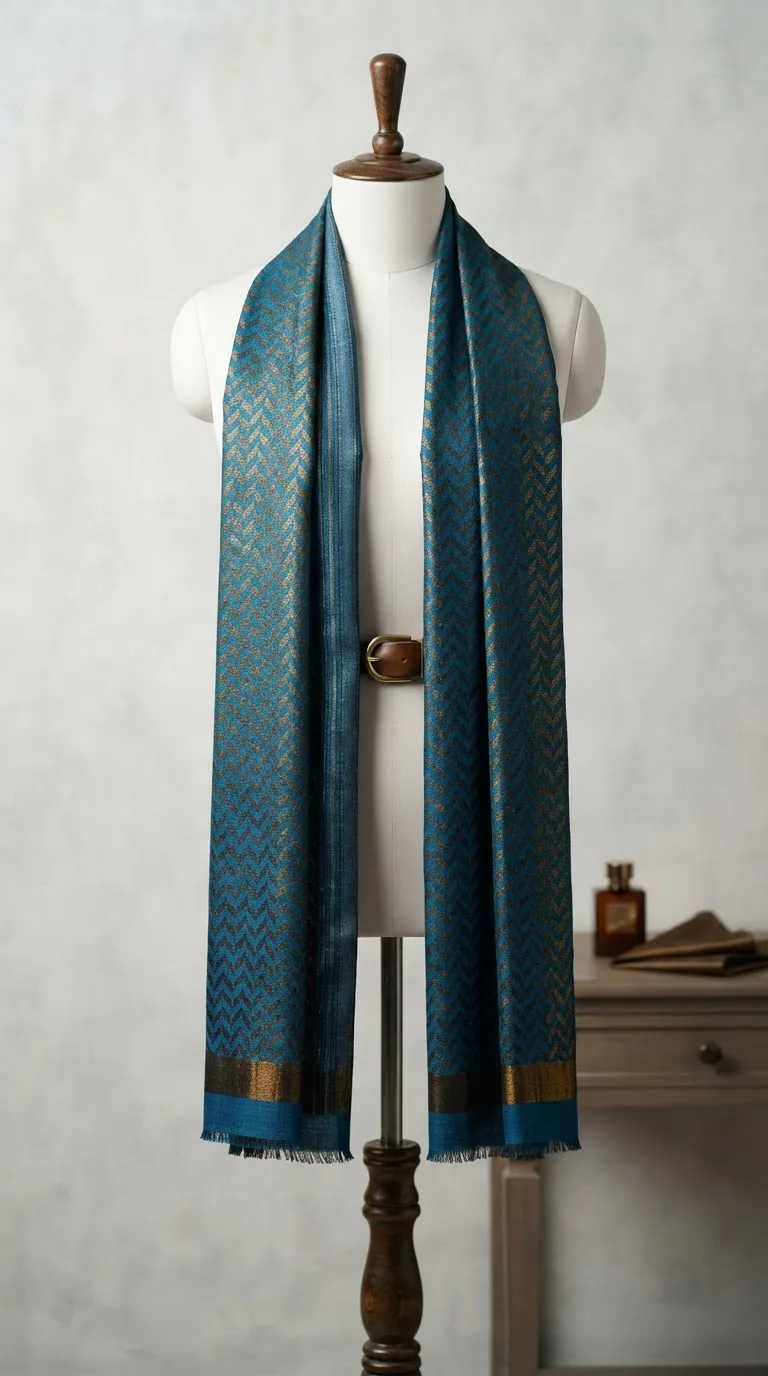
Stole, shawl, pashmina, scarf. The words get used almost interchangeably, and in part they are. Each one describes a piece of cloth worn over the shoulders. But every word carries its own shape, weight and way of falling.
Pashmina: the origin
Pashmina is, at root, a fibre: the fine fleece of a mountain goat from the Himalayas. Over time the word came to name the garment too, and today, when someone says pashmina, they usually mean a shawl from that family of cloths - often blended with silk or other fibres - rather than the pure fibre itself. Whatever the blend, the idea is the same: light, warm and able to fold down to almost nothing.
The shawl: the wide piece
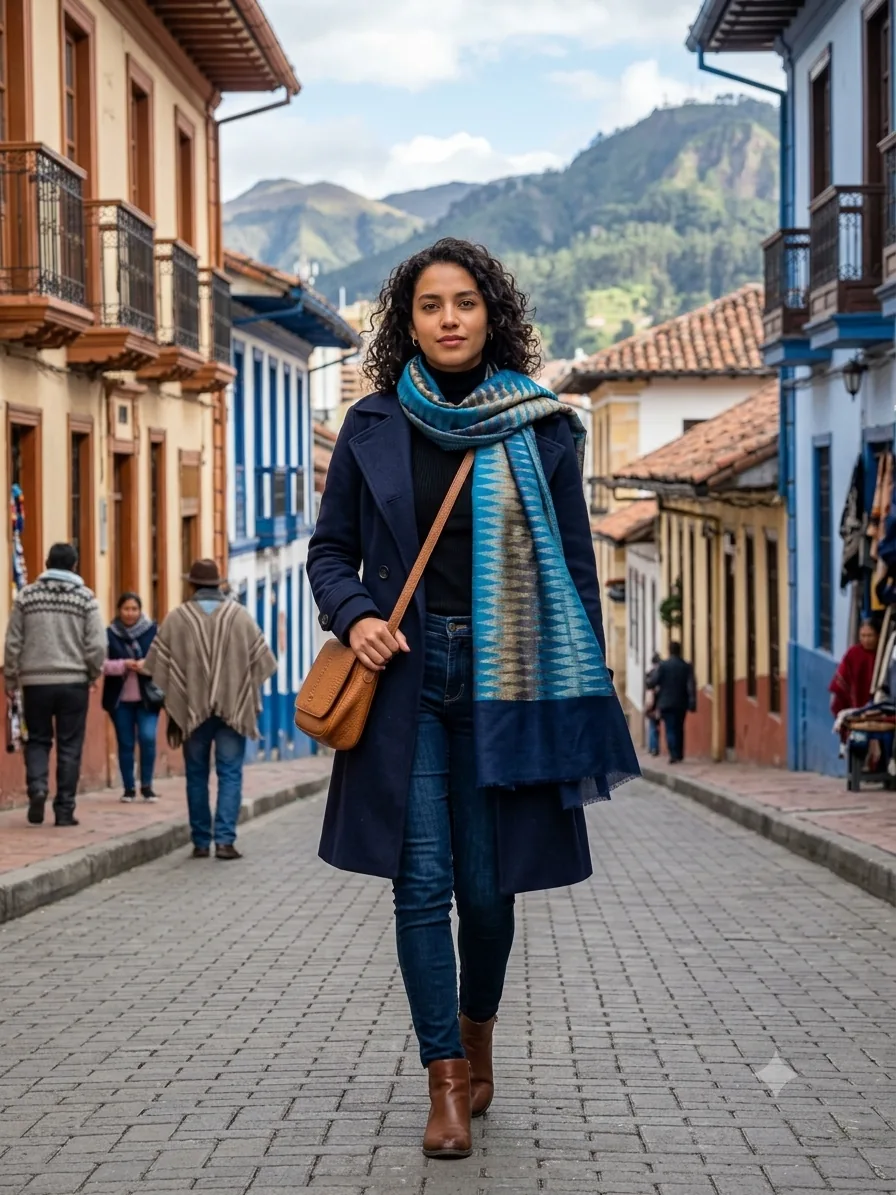
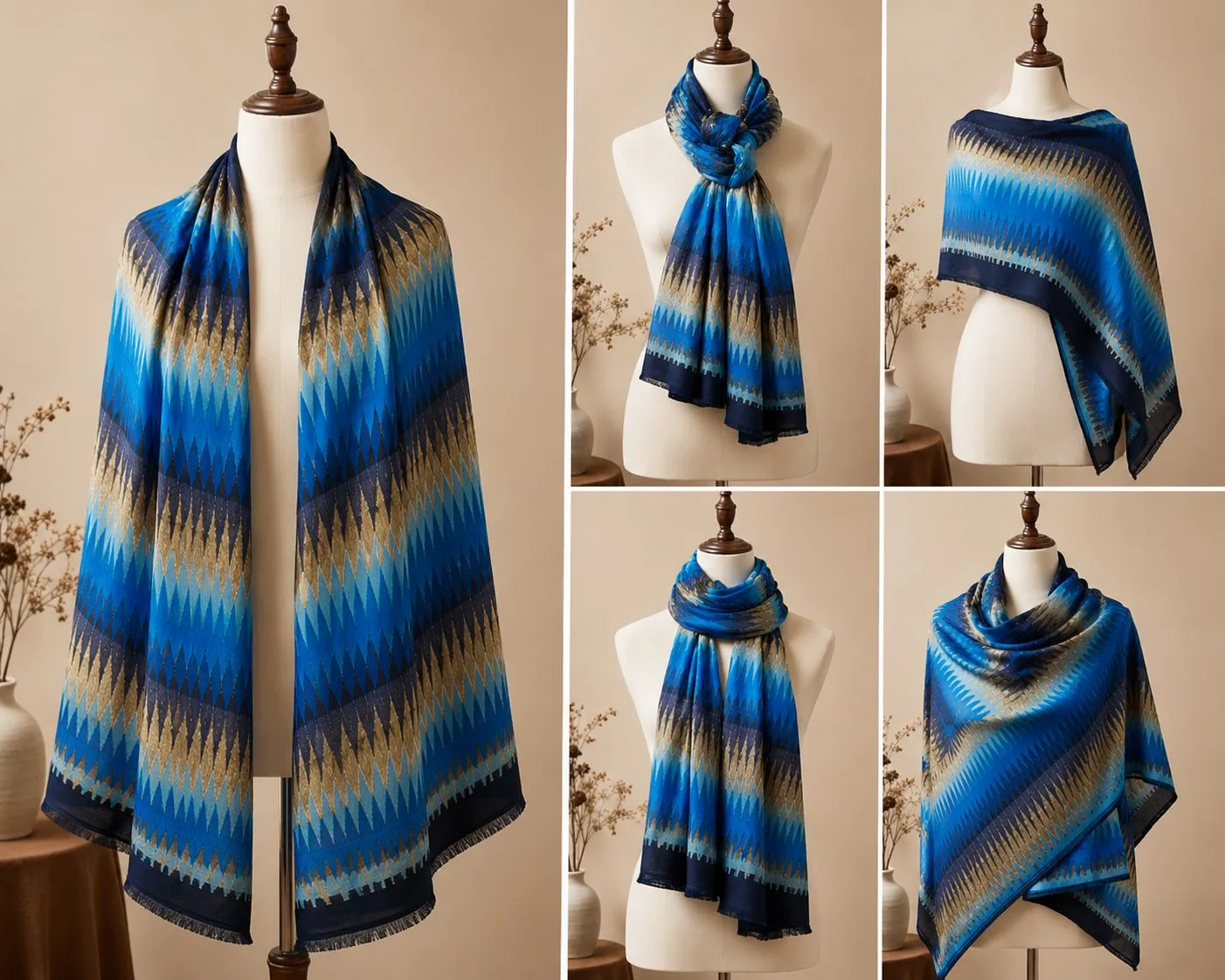
A shawl is, above all, a matter of size. It is wide and long, made to wrap. You wear it open over a dress, crossed over a coat, or gathered at the elbow. It can be pashmina, wool, silk or a blend. The word speaks to how it is worn, not what it is made of.
Every word carries its own shape, weight and way of falling.
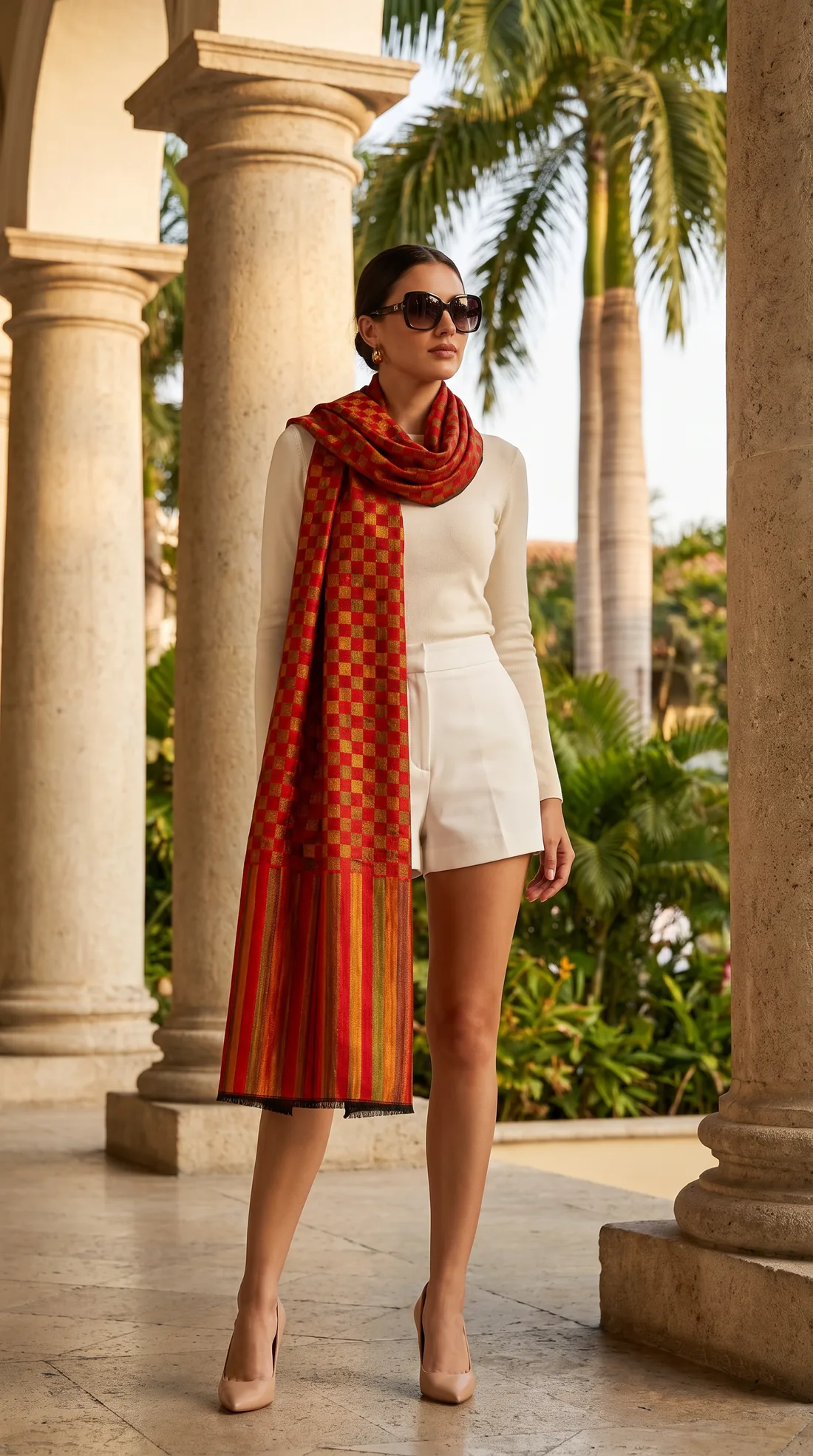
The stole: narrower, more defined
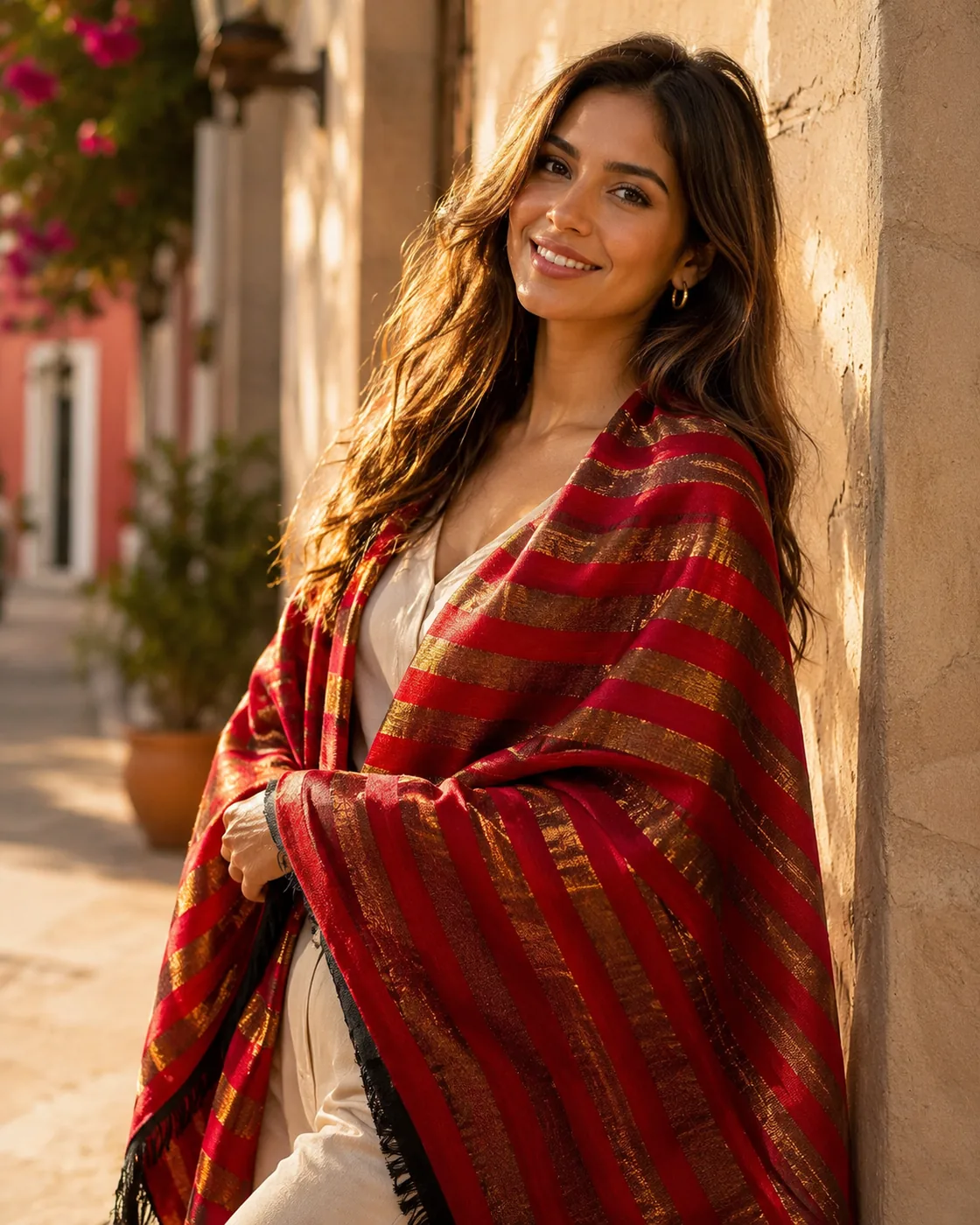
The stole is the narrowest of the three. It has a long, clean drape, and tends to go with a more dressed look: a dinner, a wedding, a cool evening over an occasion dress. You wear it loose over the shoulders, no knots, letting the cloth speak for itself.
How to choose
- For everyday, over linen or a shirt: a light pashmina.
- To wrap up and get warm: a wide wool or blended shawl.
- For an occasion, over a dress: a silk stole or one with a fine drape.
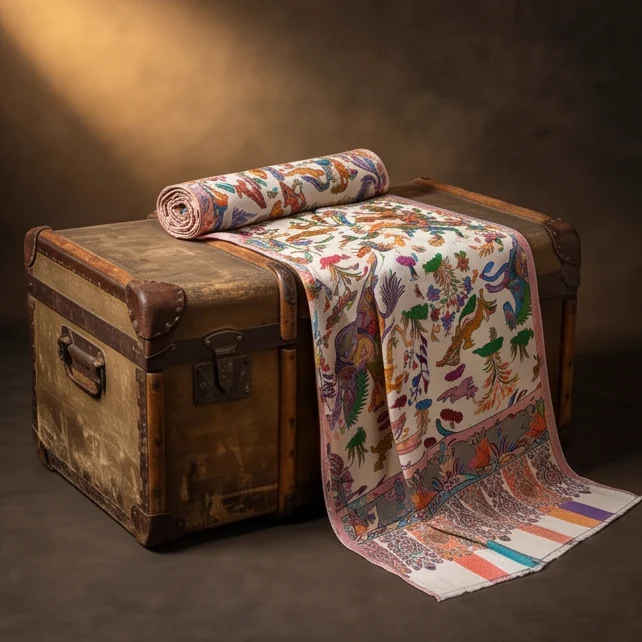
- For travel: whichever folds without creasing and weighs little.
At The Coco & Rose we choose each piece one by one, for its feel and the way it falls. The name matters less than that sense of it when you put it on.